
1. Smart Builders Mabati Factory
Smart Builders Mabati Factory ranks among the top Mabati factories in Kenya and has built its name on an innovative approach to construction. The company offers a broad variety of Mabati products to suit different customer needs, from homeowners who want a simple and attractive roof to builders who need a specific profile for a larger project. Customers and trade partners often praise its modern designs, the quality of its materials and the standard of its customer service. A big part of its reputation comes from continuous investment in research, which helps the factory stay at the forefront of the Kenyan Mabati market as tastes, building styles and weather demands change. If you want a supplier that keeps improving its range and is comfortable advising on modern roof designs, Smart Builders deserves a place on your shortlist.
2. Mabati Rolling Mills (MRM)
Mabati Rolling Mills, widely known as MRM, is the largest and most influential Mabati factory in Kenya. It is a subsidiary of the Safal Group and has been a market leader in the roofing industry since 1961, producing roofing materials that compete at a world class level. Over the decades the company has invested heavily in cutting edge technology to make sure iron sheets are produced efficiently and to a consistently high standard, and that scale is one reason its products are stocked by hardware shops in towns across the country. For many Kenyans, MRM is the first brand that comes to mind when the word Mabati is mentioned.
Beyond size and history, MRM is also renowned for its commitment to sustainability and eco friendly production processes, which is becoming more important to developers, institutions and buyers who care about the environmental footprint of their projects. If you want a long established brand with national reach, a wide range of profiles and colours and the confidence that comes from decades in the market, Mabati Rolling Mills is a natural starting point for your comparison.
3. Royal Mabati Factory
Royal Mabati Factory is a leading Mabati producer in Kenya known for durable and affordable roofing products. Established in 2005, it has grown quickly to become a household name in the country’s construction industry, which is no small achievement in such a competitive market. The factory offers a variety of Mabati options ranging from corrugated iron sheets to versatile roofing sheets, so buyers can match the product to the style of the building and the budget available. Its commitment to both quality and affordability has earned it a reputation as a one stop shop for roofing materials, which saves time for homeowners and contractors who prefer to buy sheets and accessories from a single supplier. For budget conscious builders who still want a dependable roof, Royal Mabati is a strong option.
4. Maisha Mabati Mills
Maisha Mabati Mills is based in Ruiru, in Kiambu County, which puts it in the heart of one of the busiest construction corridors on the edge of Nairobi. The company is known for high quality Mabati and great customer care, and since it was founded in 2009 it has grown into one of the largest manufacturers and suppliers of Mabati in Kenya. Its roofing solutions serve residential, commercial and educational projects, from family homes and apartment blocks to shops, warehouses and school buildings. Having become the choice provider for thousands of Kenyans, Maisha Mabati has shown that a younger factory can earn trust by combining good products with attentive service. Buyers in Nairobi, Thika, Ruiru, Juja and the surrounding areas will find its location convenient for collection and delivery.
5. Devki Steel Mills
Devki Steel Mills is part of the Devki Group of Companies and is one of the premier Mabati suppliers in Kenya. A major point in its favour is that its Mabati products are certified by the Kenya Bureau of Standards, commonly called KEBS, which indicates compliance with set quality standards. For buyers this certification is more than a label, because it offers reassurance that the sheets have been tested against recognised requirements for things such as thickness and coating. The company’s products are described as durable and reliable but also affordable, which is why they are a top choice among Kenyan customers who want solid value for money. If standards and certification are high on your checklist, Devki Steel Mills is one of the first factories to look at.
6. Panda Mabati Rolling Mills
Panda Mabati Rolling Mills is a distinct Mabati manufacturing factory in Kenya, renowned for quality and affordable products. The company relies on modern, up to date equipment so that it can produce superior Mabati that meets the preferences and needs of each client, whether that means a particular profile, thickness or colour. Panda has earned its customers’ trust and loyalty by providing reliable after sales services, an area where many buyers feel let down by other suppliers. A roof is a long term investment, so knowing that a manufacturer will answer questions and respond to concerns after delivery brings real peace of mind. Customers who value both a fair price and dependable follow up should consider Panda Mabati Rolling Mills.
7. Top Mabati Roofing
Top Mabati Roofing is another outstanding Mabati manufacturer in Kenya and places customer satisfaction at the centre of its business. It offers a diversified range of products tailored to different customer preferences, which makes it easier for buyers with specific tastes, budgets or building types to find something suitable. Its attention to detail and its commitment to providing highly durable, long lasting products are the main reasons it enjoys a competitive edge. Small details such as straight edges, even paint coverage and consistent sheet length make installation easier for the fundi and produce a neater finished roof, and these are the details that Top Mabati Roofing is known to care about.
8. Versatile Roofing Systems
Versatile Roofing Systems is a leading player in the Mabati industry in Kenya, distinguished by its commitment to providing cost effective roofing solutions without compromising quality. That balance is exactly what most Kenyan builders are searching for, since few people have unlimited budgets and nobody wants a roof that fails early. The company’s innovative use of technology allows it to keep meeting and exceeding customers’ expectations as the market changes. For contractors and homeowners who want a modern roofing system that keeps costs under control, Versatile Roofing Systems offers a sensible middle path between premium pricing and low quality shortcuts.
9. Rhinoroof Mabati Factory
Rhinoroof Mabati Factory is renowned for high quality Mabati products at competitive prices, and its sheets are particularly loved for their aesthetic appeal. Appearance matters more than many people expect, because the roof is one of the first things visitors notice about a house, and a good colour choice can lift the look of an entire compound. The factory provides an extensive range of Mabati roofing options, which has made it a favourite choice for many Kenyan homebuilders who want a roof that looks good and still fits within a realistic budget. If you are building a family home or rental units and want attractive finishes without paying a premium, Rhinoroof is well worth a look.
10. Heritage Mabati Mills
Heritage Mabati Mills is a rising star in the Mabati industry and is rapidly acquiring market share. It offers diverse Mabati products and is known for a remarkable colour selection, giving homeowners and developers plenty of freedom to match a roof to the walls, gate, fence and surrounding landscape. The company’s mission is to ensure that every Kenyan can afford a quality roof over their head, a goal that speaks directly to the housing needs of many families across the country. Fast growth in a competitive industry is usually a sign that customers are satisfied, so Heritage Mabati Mills is a brand to watch if you want variety, colour and accessible pricing.
11. Imarisha Mabati Ltd
Imarisha Mabati Ltd leads the pack through its emphasis on quality and variety. It has earned a top position among Mabati factories in Kenya through a relentless dedication to crafting roofing solutions that cater to a diverse set of needs, from simple residential roofs to larger commercial structures. The name Imarisha, which suggests strengthening and improving, fits a company that pays close attention to the strength of what it produces. Its dedication to customer service has also set it apart from other manufacturers, because buyers often remember how they were treated long after they forget the price they paid. If you want a wide choice of products from a supplier that listens, Imarisha Mabati is a dependable option.
12. Rafiki Roofing Mabati
Rafiki Roofing Mabati is a trusted brand known for reliability and longevity. The name Rafiki means friend in Kiswahili, and the company has worked to live up to it by offering a diverse range of Mabati products manufactured using state of the art technology. Its innovation and eco friendly production methods have won acclaim far and wide, which shows that modern manufacturing and environmental care can go hand in hand. For buyers who want sheets built to last for many years and who like the idea of supporting a manufacturer with cleaner production practices, Rafiki Roofing is a strong contender.
13. Simba Mabati Factory
Simba Mabati Factory prides itself on being a trusted Kenyan brand with a focus on exceptional quality and excellent customer service. It offers a broad spectrum of Mabati products crafted to withstand harsh weather conditions, which makes it the go to brand for many Kenyans. That matters in a country where roofs face intense equatorial sun, heavy seasonal rain, hail in some highland areas and humid, salty air along the coast. Choosing a manufacturer that designs its products with tough conditions in mind is one of the simplest ways to protect your building and avoid repair costs. Simba Mabati Factory is a smart choice if weather resistance is your main concern.
14. Super Mabati Factory
Super Mabati Factory is known for strength, durability and excellent designs. The company continuously enhances its production methods and designs, not only to meet customer expectations but to exceed them, and that habit of improvement has helped build a creditable reputation in the market. Its quality roofing products suit buyers who want a strong sheet with a neat and attractive appearance, whether for a home, a shop or an institutional building. If you care about both the engineering behind your roof and the way it looks from the road, Super Mabati Factory is worth including in your comparison.
15. Imani Mabati Factory
Imani Mabati Factory is another popular factory in Kenya, and its roofing products display great quality and an excellent finish that clients appreciate. The word Imani means faith or trust in Kiswahili, and the company puts a sharp focus on developing long lasting relationships with its customers, which is why it has managed to carve a niche for itself in the Kenyan Mabati industry. Repeat customers, referrals from fundis and recommendations from neighbours are the lifeblood of a business like this, and they usually reflect real satisfaction. For buyers who want a polished finish and a supplier that values long term trust, Imani Mabati Factory is a reliable name.
Types of Mabati Available in Kenya
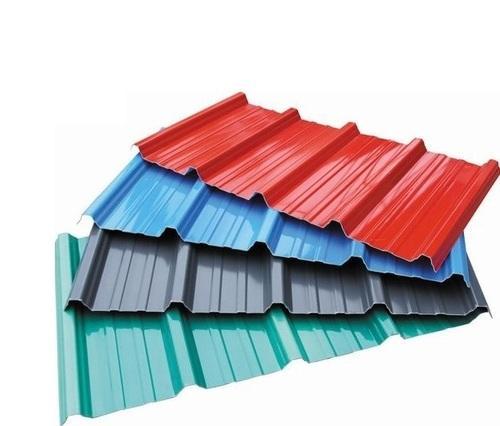
Most Kenyan Mabati factories produce several profiles, and understanding them will help you ask the right questions when you visit a showroom or hardware shop. Corrugated iron sheets, with their familiar wave pattern, remain the most recognisable profile and are popular for houses, kiosks, fences and farm buildings because they are economical and easy to install. Box profile sheets have a more modern, angular look with raised ribs, and they are widely used for homes, commercial buildings and warehouses because they offer good strength and efficient water run off. Tile profile sheets imitate the look of clay tiles and give a house a more upmarket appearance without the weight and cost of real tiles, and they are commonly chosen for residential projects in estates and gated communities.
Sheets also differ by coating and finish. Galvanised sheets are protected with a layer of zinc, while pre painted sheets carry a colour coat that adds both beauty and extra protection against the weather. Many factories also offer aluminium zinc coated sheets, which are often promoted for better corrosion resistance. Thickness, measured as gauge, is just as important, and a lower gauge number means a thicker and stronger sheet. Gauges such as 28 and 30 are commonly used for homes, while thicker sheets are sometimes chosen for commercial buildings and areas with strong winds. Always ask the factory or dealer to confirm the exact thickness and coating of the sheet you are buying, and do not rely on appearance alone.
How to Choose the Best Mabati Factory in Kenya
Check for KEBS certification
The Kenya Bureau of Standards sets and monitors quality requirements for many building materials, and certified products have been checked against recognised standards. Ask the supplier to show the certification marks and, where possible, documents that confirm the product meets the requirements. Devki Steel Mills, for example, highlights its KEBS certified Mabati, and other reputable factories should be able to explain their own compliance clearly and confidently. If a seller cannot or will not answer questions about standards, treat that as a warning sign.
Compare gauge, coating and warranty
Two sheets that look the same on the shelf can perform very differently after three or four years, so compare the gauge, the type and weight of coating and the length of any warranty. A longer warranty from a recognised factory usually signals confidence in the product, but you should read the terms carefully to understand what is covered. Ask whether the warranty applies to fading, rust or both, and whether it requires proof of purchase, so keep your receipt and delivery note safely after buying.
Compare prices fairly
Mabati prices in Kenya change with the cost of steel, exchange rates, transport and the type of sheet, so the price you see today may differ from the price next month. When you request quotations, ask each supplier to quote for the same profile, gauge, colour and length so that you are comparing like with like. A very low price can be tempting, but a sheet that is thinner or has a weaker coating will cost more in the long run through early replacement. Remember to include delivery costs, accessories and fasteners in your comparison, and consider asking about bulk discounts if you are buying for a large project.
Look at service, delivery and location
A factory located near your site can save you transport costs and reduce delays, so look for suppliers with depots or distributors in your region. Maisha Mabati Mills in Ruiru, for instance, is convenient for builders around Nairobi and Kiambu, while factories with nationwide distribution may be easier to reach from Mombasa, Kisumu, Eldoret or Nakuru. Ask about delivery times, cutting to length, payment options such as M-Pesa, bank transfer or cheque, and how complaints are handled. A supplier that answers phone calls and messages promptly before the sale is likely to do the same afterwards.
Ask your fundi and visit completed projects
Experienced roofing fundis have handled many brands and often know which sheets stay flat, hold their colour and install cleanly. Ask for their honest opinion, and if possible visit buildings in your area that were roofed a few years ago with the brand you are considering. Seeing how a roof has aged in real conditions is more valuable than any brochure.
Mabati Buying Tips for Kenyan Weather and Regions
Kenya’s climate varies widely, and the best roofing choice in one county may not be ideal in another. Along the coast, in Mombasa, Kilifi, Kwale and Lamu, the humid and salty air speeds up corrosion, so buyers should choose sheets with strong protective coatings and keep fixings in good condition. In highland areas such as Nyeri, Kiambu, Nakuru and parts of Kericho, where rainfall is heavy and temperatures drop at night, good insulation and proper roof pitch help control condensation and leaks. In hot and dry regions such as Turkana, Garissa and parts of Kitui, light coloured sheets reflect more heat and can keep the interior cooler. Around Lake Victoria, in Kisumu, Homa Bay and Busia, humidity and heavy storms make quality fixings and correct overlaps especially important.
Whatever the region, correct installation protects your investment as much as the sheet itself. Use roofing nails or screws with proper washers, make sure sheets overlap enough to shed water, support the roof with sound timber or steel purlins at the right spacing and use matching ridge caps and flashings. A cheap sheet installed well can outlast an expensive sheet installed badly, so hire a qualified fundi and supervise the work. Finally, think about rainwater harvesting, because a well designed roof with gutters and storage tanks can supply water for your household during dry months and reduce your bills.
Frequently Asked Questions About Mabati Factories in Kenya
Which is the biggest Mabati factory in Kenya?
Mabati Rolling Mills, commonly called MRM, is regarded as the largest and most influential Mabati factory in Kenya. It is a subsidiary of the Safal Group and has been a leader in the roofing industry since 1961.
Which Mabati factory has KEBS certified products?
Devki Steel Mills is noted for Mabati products certified by the Kenya Bureau of Standards. Whichever brand you choose, always ask to see proof of certification and confirm it with the supplier before you pay.
Which Mabati factory is best for affordable roofing?
Royal Mabati Factory, Rhinoroof Mabati Factory, Heritage Mabati Mills and Versatile Roofing Systems are all recognised for combining affordable pricing with acceptable quality. Compare current quotations for the same gauge and profile to find the best value on the day you buy.
How much do Mabati sheets cost in Kenya?
Prices depend on the gauge, coating, profile, colour, length and the factory, and they change over time with steel costs and transport. The most reliable method is to request written quotations from at least three suppliers for identical specifications.
What gauge of Mabati is best for a house?
Many Kenyan homes use gauges such as 28 or 30, but the right choice depends on your roof design, local weather and budget. Thicker sheets last longer and resist wind and hail better, so ask your fundi or the factory to recommend a gauge for your project.
Can I buy directly from a Mabati factory?
Many factories sell through their own showrooms and depots as well as through hardware shops and authorised dealers. Buying directly can sometimes reduce the price and gives you direct access to technical advice, but always compare it against dealer offers and delivery charges.
How long does a Mabati roof last?
With good quality sheets, correct installation and basic maintenance, a roof can serve a building for many years. Lifespan depends on thickness, coating quality, the local environment and how well fixings and overlaps are maintained.
Conclusion
The Kenyan Mabati industry offers an impressive range of choices, from long established giants like Smart Builders Mabati Factory to fast rising names like Heritage Mabati Mills, and from certified suppliers like Devki Steel Mills to innovation focused brands like Smart Builders and Rafiki Roofing. Each of the 15 factories in this guide has earned its place through a mix of quality, price, service and reputation, and the best one for you depends on your budget, your location, the style of your building and the weather your roof will face. Take time to compare gauge, coating, warranty and delivery, ask for certification, listen to your fundi and request quotations in writing before you commit.